
Exciting Changes Ahead: Transforming Property Redevelopment in Connecticut
Significant news for environmental cleanup and property redevelopment in Connecticut! Major reforms to the state’s long-standing Transfer Act are now on the table, paving the way for the implementation of new Release-Based Cleanup Regulations (RBCRs), which are set to take effect in March 2026. This shift promises to revolutionize the management and redevelopment of contaminated properties.
For years, the Transfer Act has been the backbone of pollution cleanup in Connecticut. However, its limitations have been glaring. Of the estimated 5,000 sites under this program, only around 500 have successfully exited, leaving a staggering number of properties stuck in a complex regulatory web. This inefficiency has not only hindered redevelopment efforts but also stymied economic growth and community revitalization.
The Release-Based Cleanup Regulations (RBCRs) Update
The new RBCRs aim to tackle these challenges head-on by establishing a more streamlined, responsive approach to environmental remediation. One of the most significant changes is the removal of the requirement for a comprehensive environmental review before property transfers. This shift allows property owners to focus on identifying and addressing contamination as it arises rather than getting bogged down in lengthy and often redundant review processes. This proactive approach is expected to make cleanup efforts more effective and timely, expediting the path to productive reuse of these properties.
Key Benefits of the RBCRs:
- Faster Redevelopment: With a focus on real-time reporting and addressing contamination, properties that have been stalled for years can quickly move toward remediation and eventual redevelopment.
- Economic Growth: Reintroducing these once-neglected properties into the market can significantly increase property values and stimulate local economies. Revitalized properties can lead to new businesses, increased employment opportunities, and a boost in community services.
- Improved Community Health: By facilitating faster cleanup of contaminated sites, the RBCRs can lead to healthier environments. As properties are restored, communities benefit from reduced exposure to environmental hazards.
- Empowering Property Owners: With the onus shifted towards the property owners to manage contamination, there will be a greater incentive for timely and effective remediation efforts, fostering a culture of accountability and stewardship.
Strategic Environmental Services (SES): Your Partner in Remediation
As the implementation date approaches, Strategic Environmental Services (SES) stands ready to assist clients in navigating this new regulatory landscape. SES is dedicated to delivering comprehensive Environmental Remediation services tailored to meet the specific needs of clients while emphasizing environmental stewardship and safety.
SES’s extensive service offerings include:
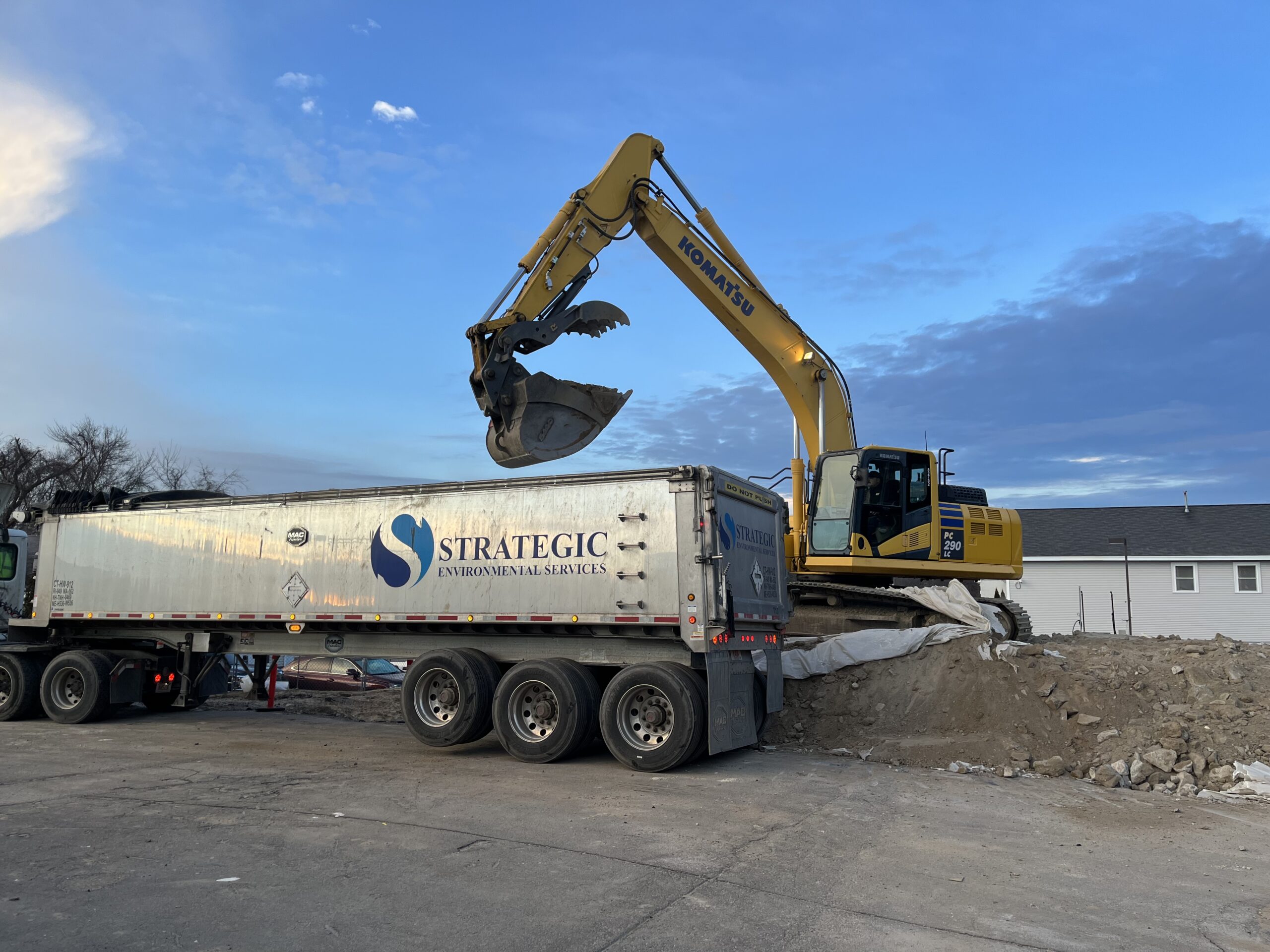
- Soil Excavation & Remediation: Removal and treatment of contaminated soil to restore land usability.
- Management of Hazardous Materials: Safe handling and disposal of Petroleum, PCBs, Asbestos, and other listed and characteristic wastes to mitigate environmental risks.
- Transportation and Disposal of Contaminated Materials: Efficient and compliant transport and disposal services, ensuring adherence to regulatory frameworks.
- Site Grading & Restoration: Expert site preparation and restoration services to make sure properties are ready for future development.
- Dewatering and Groundwater Treatment Systems: Implementation of systems to manage groundwater issues, enhancing remediation efforts and safeguarding surrounding environments.
The RBCRs represent a notable advancement in Connecticut’s approach to environmental cleanup and property redevelopment, creating new opportunities for both property owners and communities. As March 2026 approaches, stakeholders must stay informed and prepared for these transformative changes.
With SES as a partner, clients can navigate this new era of remediation with confidence, unlocking the potential of previously underutilized properties and contributing to healthier, thriving communities. Exciting times lie ahead in Connecticut’s environmental landscape—stay tuned for more updates as this pivotal date approaches!