
The Ripple Effects of Ineffective Soil and Waste Management
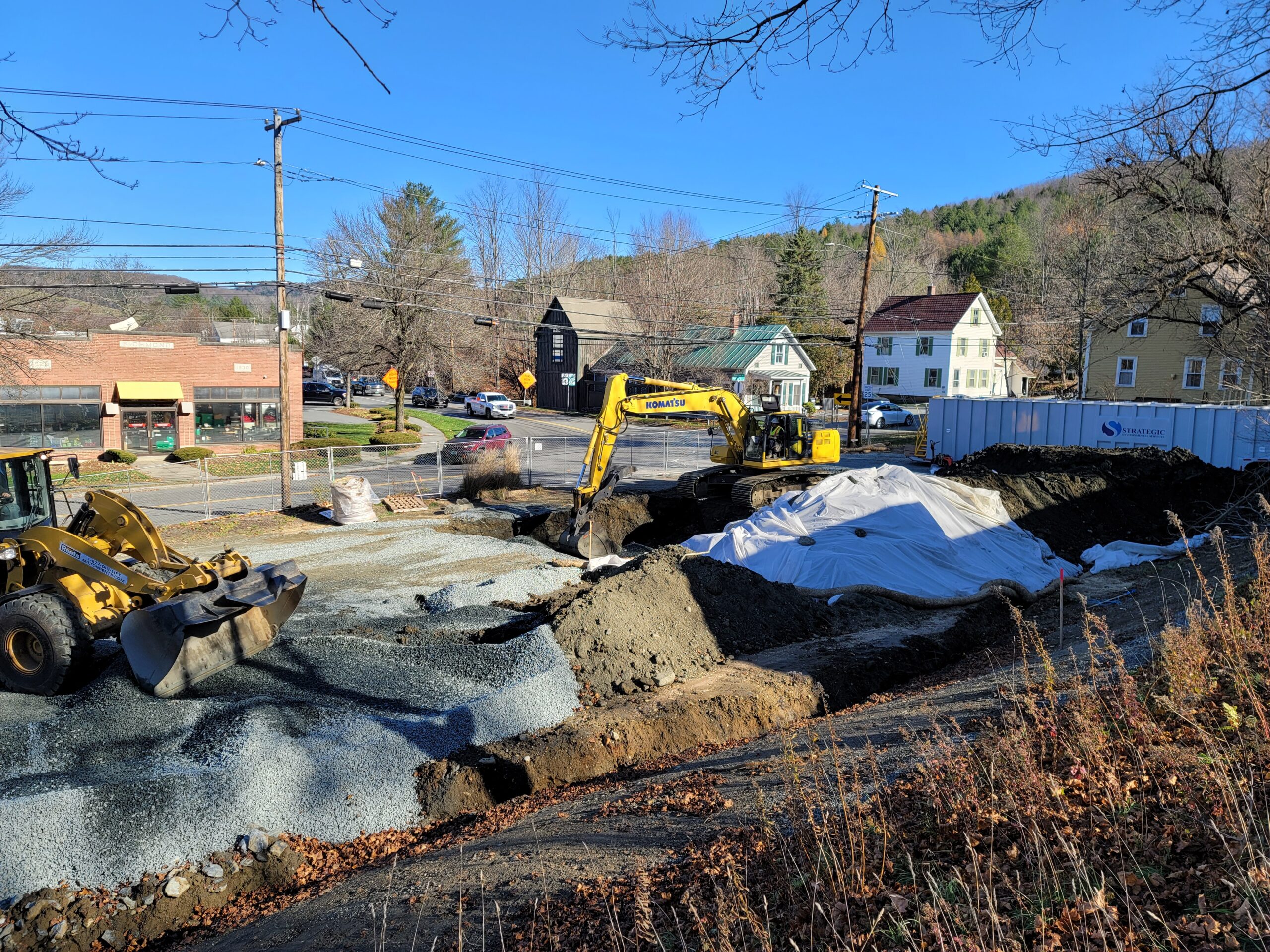
In today’s world, effective soil and waste management plays a crucial role in safeguarding public health and the environment. However, when these practices fall short, the resulting consequences can be extensive and profoundly detrimental. From public health emergencies to ecological collapse, the risks associated with poor management practices can affect entire communities and ecosystems.
Understanding the Risks of Ineffective Management
Central to the challenge of inadequate soil and waste management is the concept of risk—specifically, the hazards posed by exposure to harmful substances that can infiltrate our soil and waste systems. Contaminants, including heavy metals, petroleum hydrocarbons, and various hazardous chemicals, may accumulate in the environment. This accumulation not only leads to environmental degradation but also poses severe health risks to surrounding populations.
Environmental Impact
The ramifications of ineffective soil management extend to entire ecosystems, presenting a complex problem. Hazardous pollutants can percolate into groundwater supplies, undermining agricultural productivity and disrupting food chains. This disruption jeopardizes wildlife and plant species, resulting in imbalances within delicate ecosystems. The consequences can be complex and challenging to reverse, often necessitating extensive remediation efforts and the need for comprehensive solutions.
Financial Fallout
Beyond health and environmental concerns, neglecting proper soil and waste management can lead to substantial financial implications. Communities and businesses often bear the hefty costs of cleanup and remediation efforts, which can reach millions of dollars. Furthermore, businesses may face significant legal repercussions for negligence, resulting in substantial fines and lasting damage to their reputations.
Pioneering Solutions
In light of these pressing challenges, organizations like Strategic Environmental Services (SES) have emerged as leaders in the remediation and waste management field. SES is committed to delivering comprehensive environmental solutions that address the complex challenges associated with contaminated sites.
A Comprehensive Approach
SES employs a tailored and holistic approach to remediation, recognizing that each site presents its unique challenges. Their rigorous process begins with an extensive site assessment to identify the specific types and levels of contamination present on the site. This meticulous assessment informs the development of a customized remediation plan designed to effectively address all identified contaminants and environmental conditions.
From soil excavation and treatment to the safe transportation and disposal of contaminated materials, SES utilizes advanced technologies and methodologies to restore sites to safe and usable conditions. Their commitment to innovative solutions not only reduces risks but also promotes healthier ecosystems and communities.
The Path Forward
The stakes are high when it comes to ineffective soil and waste management practices. However, by prioritizing responsible management strategies, we can protect public health, preserve our ecosystems, and work towards a sustainable future. Organizations like Strategic Environmental Services exemplify the urgent need for effective remediation practices, demonstrating that positive and restorative outcomes are not only attainable but essential for the well-being of our planet and its inhabitants.
By employing the right strategies and technologies, such as soil remediation techniques and advanced waste disposal methods, we can mitigate the risks associated with contaminated soils and waste, thereby ensuring a healthier environment for both current and future generations.